From Check-In to Check-Out: How Scotland's Hospitality Industry Is Cultivating Guest Loyalty Through Living Walls

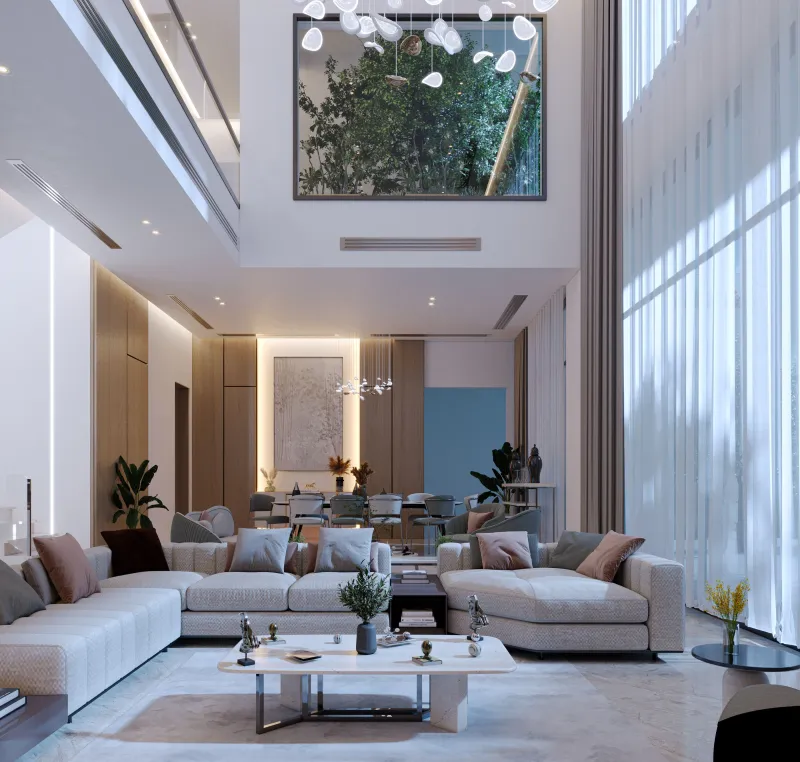
Photo: luxury hotel restaurant interior living wall vertical garden Scotland, via okdiario.com
The New Currency of Hospitality: Experience Over Amenity
For decades, Scotland's hospitality industry competed on thread counts, whisky selections, and sea views. Today, a growing body of evidence suggests that guests are increasingly drawn to something less tangible yet profoundly felt — a connection to the natural world. Biophilic design, the practice of integrating living nature into built environments, has moved from architectural theory into mainstream commercial strategy, and Scotland's hotels and restaurants are among its most enthusiastic adopters.
Living walls — vertical installations of rooted plants, mosses, ferns, and flowering species mounted on interior or exterior facades — sit at the heart of this shift. What was once considered an extravagance reserved for flagship London properties has become an attainable and commercially astute investment for Scottish venues of all scales.
Why Biophilia Works: The Science Behind the Frond
Human beings are, at a fundamental level, creatures of the natural world. Research published by the University of Exeter has consistently demonstrated that exposure to living greenery reduces cortisol levels, lowers perceived stress, and improves mood within minutes of visual contact. For the hospitality sector, these physiological responses translate directly into commercial outcomes: guests who feel relaxed linger longer, spend more, and — critically — return.
Living walls also perform measurable environmental work within interior spaces. A well-designed installation can reduce airborne volatile organic compounds by up to 60 per cent, regulate ambient humidity, and lower surface temperatures in sun-facing rooms. In Scotland's increasingly warm urban summers — a consequence of the heat island effects now well-documented in cities such as Glasgow and Edinburgh — this passive cooling function carries genuine operational value, reducing the burden on mechanical ventilation systems.
Case Study: A Converted Edinburgh Townhouse Hotel
One of the most compelling examples of living wall integration in Scottish hospitality can be found in a boutique hotel occupying a Georgian townhouse on Edinburgh's New Town fringe. Faced with the challenge of modernising a Grade A listed interior without compromising its architectural character, the property's owners commissioned a moss and fern installation across the rear wall of their ground-floor dining room.
The result was a 14-square-metre vertical garden composed of preserved reindeer moss, native hart's tongue fern, and trailing ivy, installed on a lightweight modular frame that required no structural alteration to the original masonry. Within six months of installation, the hotel reported a 22 per cent increase in direct dining reservations, with a significant proportion of new bookings citing the dining room's aesthetic as the primary draw — sourced directly from social media discovery.
The general manager noted that the living wall had become the single most photographed feature of the property, generating consistent organic content across Instagram and TripAdvisor that no paid marketing campaign had previously achieved.
The Gastropub Opportunity: Bringing the Outdoors In Without Losing the Warmth
Scotland's gastropub scene presents a particularly fertile ground for living wall adoption. The challenge these venues face is distinctive: they must simultaneously project rugged, place-rooted authenticity and deliver the refined comfort that contemporary diners expect. A thoughtfully designed living wall resolves this tension elegantly.
A Perthshire gastropub, for instance, installed an exterior living wall across its south-facing courtyard boundary — a mixture of hardy sedums, heucheras, and ornamental grasses selected for their resilience in Scotland's variable climate. The installation extended the usable outdoor dining season by creating a sheltered microclimate, reducing wind chill and providing a lush visual backdrop that made the courtyard feel enclosed and intimate even on overcast September evenings.
Beyond the guest experience, the venue's chef subsequently incorporated edible herbs — thyme, rosemary, and lemon balm — into a secondary interior wall panel adjacent to the kitchen pass, reducing procurement costs and providing a genuine farm-to-table narrative that resonated strongly with the venue's marketing.
Revenue, Reputation, and the Role of Social Proof
The commercial logic of living walls in hospitality is no longer speculative. A 2023 survey conducted by the UK Hospitality Forum found that 67 per cent of leisure travellers under the age of 45 actively seek accommodation and dining venues that demonstrate visible sustainability credentials. A living wall is, in this context, not merely decorative — it is a statement of values that prospective guests can see, photograph, and share.
For Scottish venues operating in a competitive market increasingly shaped by online discovery, the visual distinction that a well-executed living wall provides is difficult to overstate. Platforms such as Instagram and Google Maps prioritise visually striking imagery in their algorithmic presentation of local businesses. A living wall — whether a dramatic exterior installation or an intimate interior feature — consistently generates the kind of authentic user content that drives organic reach.
Specifying for Scotland: Climate, Maintenance, and Long-Term Value
Successful living wall installations in Scottish hospitality settings demand careful specification. Scotland's climate — characterised by high rainfall, low winter light levels, and significant temperature variation — requires plant selection that prioritises hardiness over exoticism. Native and near-native species such as polypody fern, mind-your-own-business, and various mosses perform reliably in interior conditions and require minimal supplementary irrigation in well-managed systems.
For exterior installations, robust substrate systems and frost-tolerant species are non-negotiable. Modular panel systems with integrated irrigation and drainage are generally preferable to felt-pocket systems in high-rainfall Scottish environments, offering greater structural resilience and easier maintenance access.
Maintenance contracts are an important consideration for hospitality operators, for whom an unkempt or failing installation carries reputational risk. A professionally managed living wall, serviced quarterly and refreshed seasonally where appropriate, will consistently outperform expectations over a five-to-ten-year operational horizon.
A Growing Movement Across Scotland's Landscape
From Inverness to the Borders, Scotland's hospitality sector is beginning to understand that green architecture is not a cosmetic indulgence but a strategic asset. Living walls deliver simultaneously on environmental performance, guest wellbeing, brand differentiation, and social media visibility — a combination that few other capital investments can match.
As the industry continues to navigate the dual pressures of sustainability expectation and experiential competition, vertical greenery offers a rare convergence of beauty, function, and commercial return. Scotland's landscapes have long been its greatest hospitality asset; now, those landscapes are moving indoors.